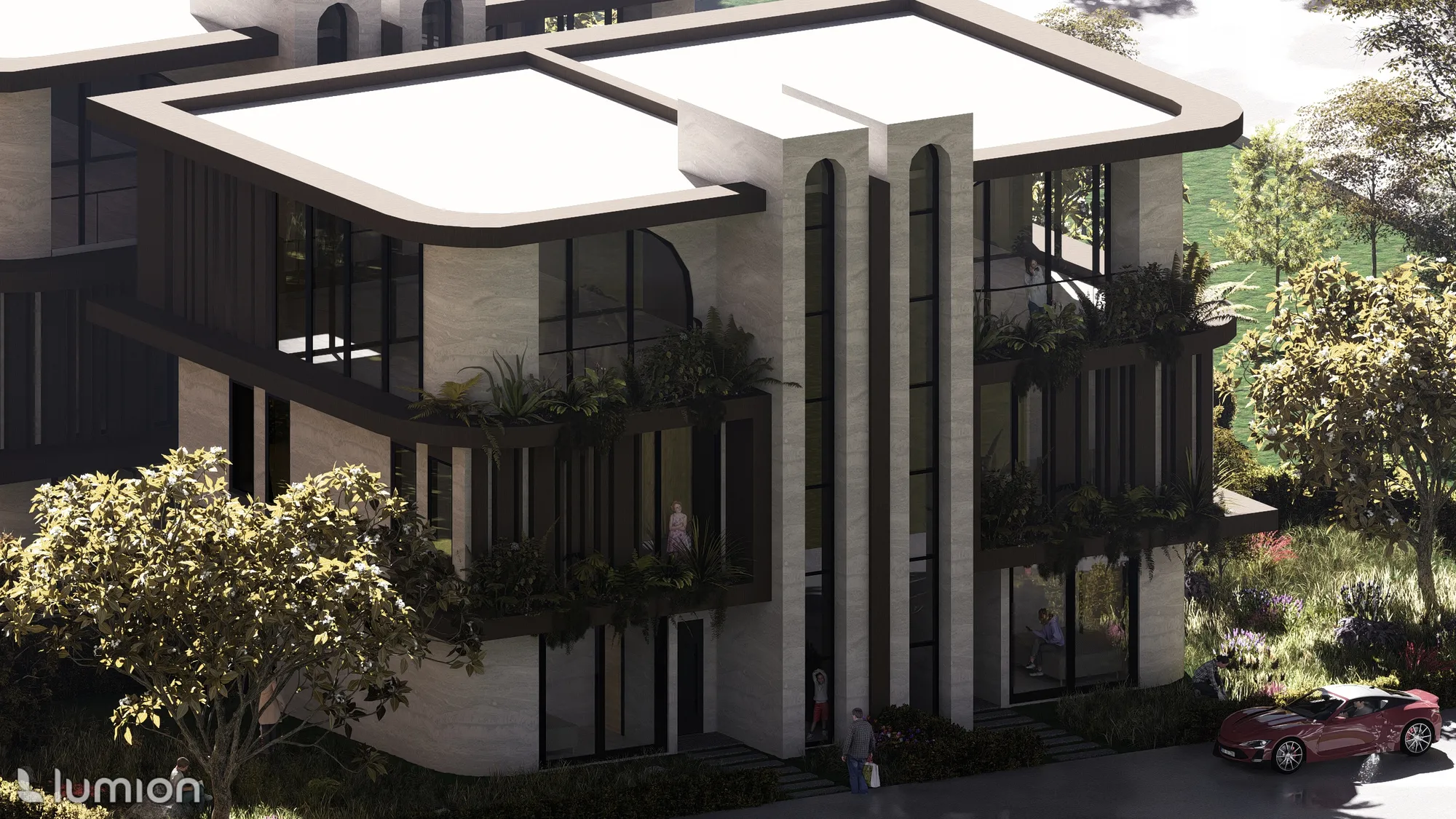
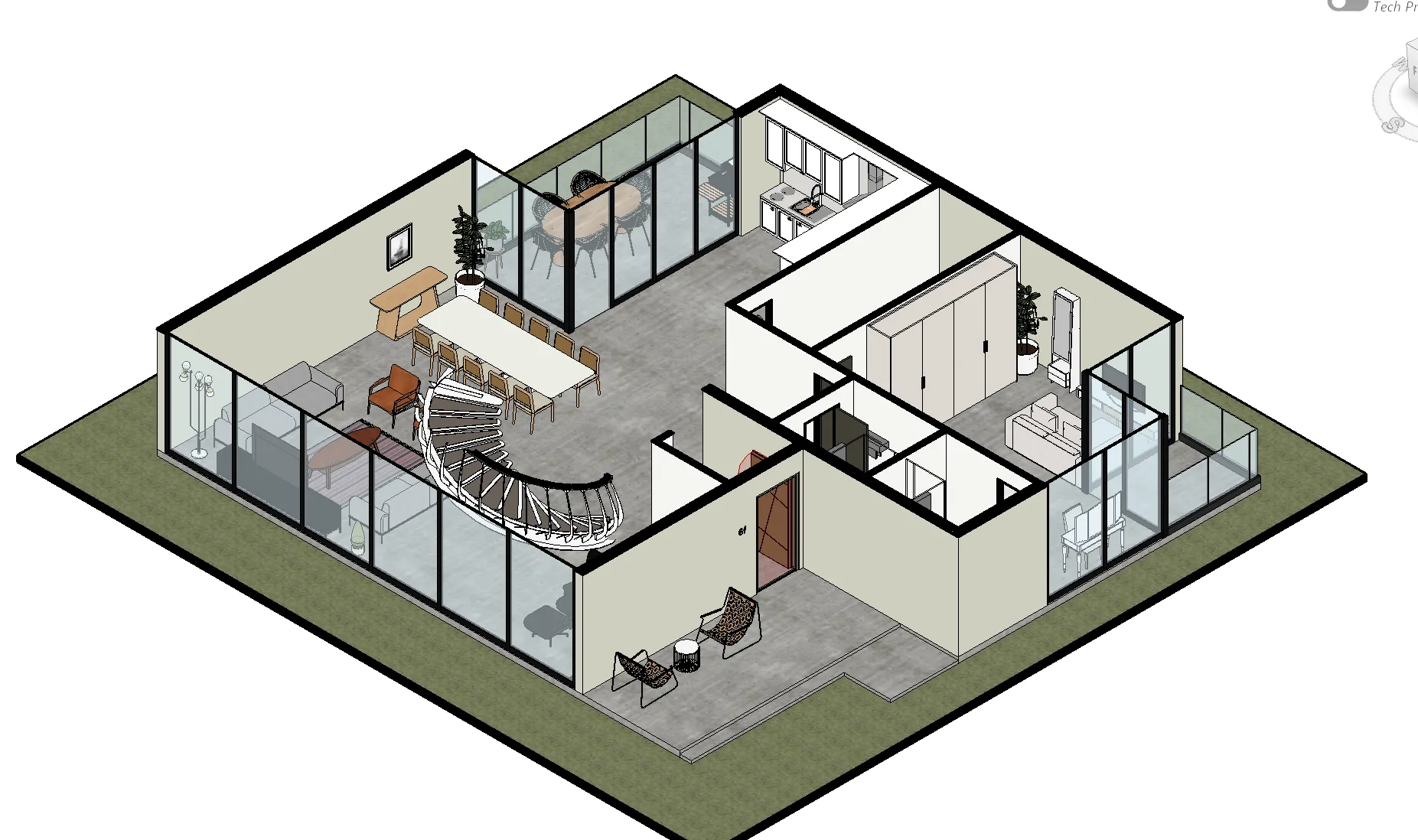
Villa Construction Cost per m² in Turkey: What Actually Drives the Price in the Black Sea Region
🇹🇷 This article describes regulations and processes specific to Turkey. Requirements differ in other countries.
"How much does it cost per square meter to build a villa?" doesn't have one right answer. We break down where the official reference figure comes from and the concrete line items that push real market costs above it.
The information in this article applies to Turkey. "How much does it cost per square meter to build a villa?" is the first question almost everyone asks, whether they already own land or are still planning to buy. The honest answer: there's no single right figure. Below, we explain both where the official reference number comes from and the concrete line items that push real market costs above it.
Starting point: the official reference figure
The question to ask at the very start is "what building class am I in". You can check this with our Construction Cost / Building Class Calculator. But this figure isn't a commitment; it's the official unit cost the Ministry publishes each year for calculating architecture and engineering service fees[1]. The approximate cost on which building inspection fees are based is also calculated with the Ministry's unit costs[2]. The real cost of a villa rises noticeably above this baseline, depending on the line items below.
The main cost components
Ready-made percentages for these items circulate online. We don’t give any: there is no official breakdown, and the shares shift a lot from project to project, from the slope of the plot to the materials you choose. When you ask for quotes, have these five items priced separately and compare on them:
- Shell/structural construction: Foundation, structural system, walls, roof, the building's skeleton. You can get a rough sense of the concrete volume with our Concrete Calculator.
- Finishing work: Floor and wall coverings, interior doors, kitchen/bathroom cabinetry, paint. Our Paint Calculator and Flooring Calculator can help with a rough quantity estimate.
- Mechanical and electrical installations: Plumbing, electrical, heating/cooling systems.
- Facade and insulation: Facade cladding, thermal/water insulation, window and door quality. See our Insulation Calculator for the insulation portion.
- Landscaping and site improvements: Garden, fencing/walls, outdoor lighting, parking area.
The factors that change the real cost the most
- Material quality: The gap between standard domestic materials and imported/premium materials at the same square footage is the single biggest swing factor in the total budget.
- Plot soil conditions and slope: The foundation type required based on your soil survey results, and sloped-plot solutions (terracing, retaining walls), noticeably affect cost.
- Architectural complexity: A simple, rectangular mass is more economical than a mass with broken facades and multiple level changes.
- Location and logistics: The Black Sea region's topography can raise the cost of getting materials and equipment to the site compared to a city-center location.
How to build a realistic budget
Building a budget without understanding the gap between the official reference figure and real market quotes is the most common reason people run into surprise costs mid-construction. A realistic budget is built with a written, itemized quote (after your material choices, your plot's soil/slope conditions, and the architectural decisions are clarified) not with a single "price per square meter."
Sources
- [1]Notice on 2026 Approximate Building Unit Costs for Calculating Architecture and Engineering Service Fees (Yapı Yaklaşık Birim Maliyetleri Hakkında Tebliğ), Article 1. Official Gazette of the Republic of Turkey, 3 February 2026, No. 33157Last checked: 5 October 2026
- [2]Building Inspection Law No. 4708 (Yapı Denetimi Hakkında Kanun), Article 1/f (approximate building cost as the basis of the service fee). Official Gazette of the Republic of Turkey, 13 July 2001, No. 24461; item f amended by Law No. 7143 of 11 May 2018Last checked: 5 October 2026