Who Pays Construction Supervision Fees in Turkey, and How Are They Calculated?
🇹🇷 This article describes regulations and processes specific to Turkey. Requirements differ in other countries.
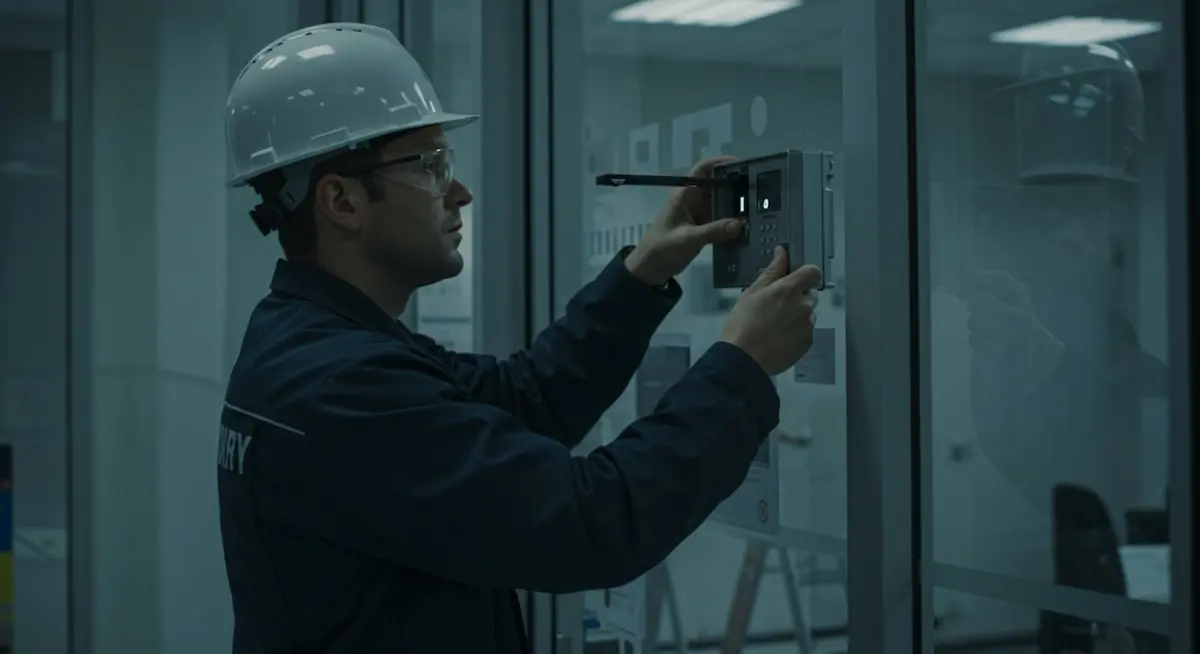
The construction supervision service fee is covered by the building owner, but it isn't paid directly to the supervision firm; it's deposited into an official escrow account. We explain how the fee is calculated, and why two buildings of the same size can end up with different amounts.
The information in this article applies to Turkey. The construction supervision ("yapı denetim") contract, step 7 of the building permit process, is a line item most investors ask about: who pays this fee, and how? The answer rests on a somewhat more formal mechanism than most people expect.
Payment isn't made directly to the firm
The construction supervision service fee is covered by the building owner, but the money isn't paid directly to the supervision firm. Instead, it's deposited into an escrow-type account opened at the relevant province's accounting office (the defterdarlık or mal müdürlüğü); the supervision firm draws its progress payments from this account as work advances. This mechanism is designed to keep the oversight independent from the party paying for it.
How is the fee calculated?
The starting point for the calculation is the building's "approximate construction cost". The total construction area multiplied by the official per-square-meter unit cost for its building class. That's exactly the baseline figure shown by our Construction Cost / Building Class Calculator. The construction supervision service fee is then calculated as a set percentage of that amount.
How do duration and size change the fee?
Under the Building Inspection Law, Article 5[1], the fee is 1.75% of the approximate building cost for buildings up to 1,000 m², 1.5% for 1,001–50,000 m² and 1.25% above that. For buildings up to 500 m² the owner chooses the inspection firm, and the 1.75% rate can be raised up to 3.50%; for larger buildings the firm is assigned electronically by the Ministry. If construction lasts more than a year, the rate increases by 5% for each year. An earlier version of this article said the rate decreases for short projects and that fees under 3,000 m² cannot be paid in installments; the current law contains neither rule, so we removed them. The rates were changed by Law No. 7534 of 5 December 2024. Because of these variables, two projects of the same size can still end up with different construction supervision fees.
Why this fee shouldn't be an afterthought
The construction supervision contract is a legal prerequisite for the permit application to be accepted. If the fee isn't paid, the construction process cannot move forward. That's why, when budgeting, the construction supervision fee should be factored in from the start as an integral part of the process, not treated as an "extra" on top of construction costs.
The process at MEEZ Mimarlık
We manage the contract process with the construction supervision firm together with the rest of the permit file, and we walk the investor through the fee calculation up front, so it never comes as a surprise line item.
Sources
- [1]Building Inspection Law No. 4708 (Yapı Denetimi Hakkında Kanun), Article 5. Fee rates amended by Law No. 7534 of 5 December 2024Last checked: 29 September 2026
Frequently Asked Questions
Who pays the construction supervision fee?
The building owner covers the cost, but doesn't pay it directly to the construction supervision firm. Instead, it's deposited into an escrow-type account opened at the provincial accounting office (defterdarlık/mal müdürlüğü).
How is the construction supervision fee calculated?
It's calculated as a set percentage of the building's "approximate construction cost". The total construction area multiplied by the official per-square-meter unit cost for its building class; you can see this baseline using our Construction Cost / Building Class Calculator.
Does the construction timeline affect the fee?
Yes. Under the Building Inspection Law, Article 5, if construction lasts more than a year, the service fee rate increases by 5% for each year. So a realistic construction schedule also affects the fee.